Pico de Gallo vs. Salsa: Unlock Authentic Fresh Flavor
In the vibrant world of Mexican cuisine, few condiments spark as much delight and occasional confusion as pico de gallo and salsa. While often used interchangeably, these two fresh flavor powerhouses possess distinct characteristics that set them apart. Understanding the nuances between them is key to truly appreciating the authentic taste and textural experience each offers. If you’re looking to elevate your culinary creations with a burst of garden-fresh goodness, delving into the world of
pico de gallo is an essential first step.
What Exactly is Pico de Gallo? The Essence of Freshness
At its heart,
pico de gallo is a celebration of raw, vibrant ingredients. Often referred to as
salsa fresca or
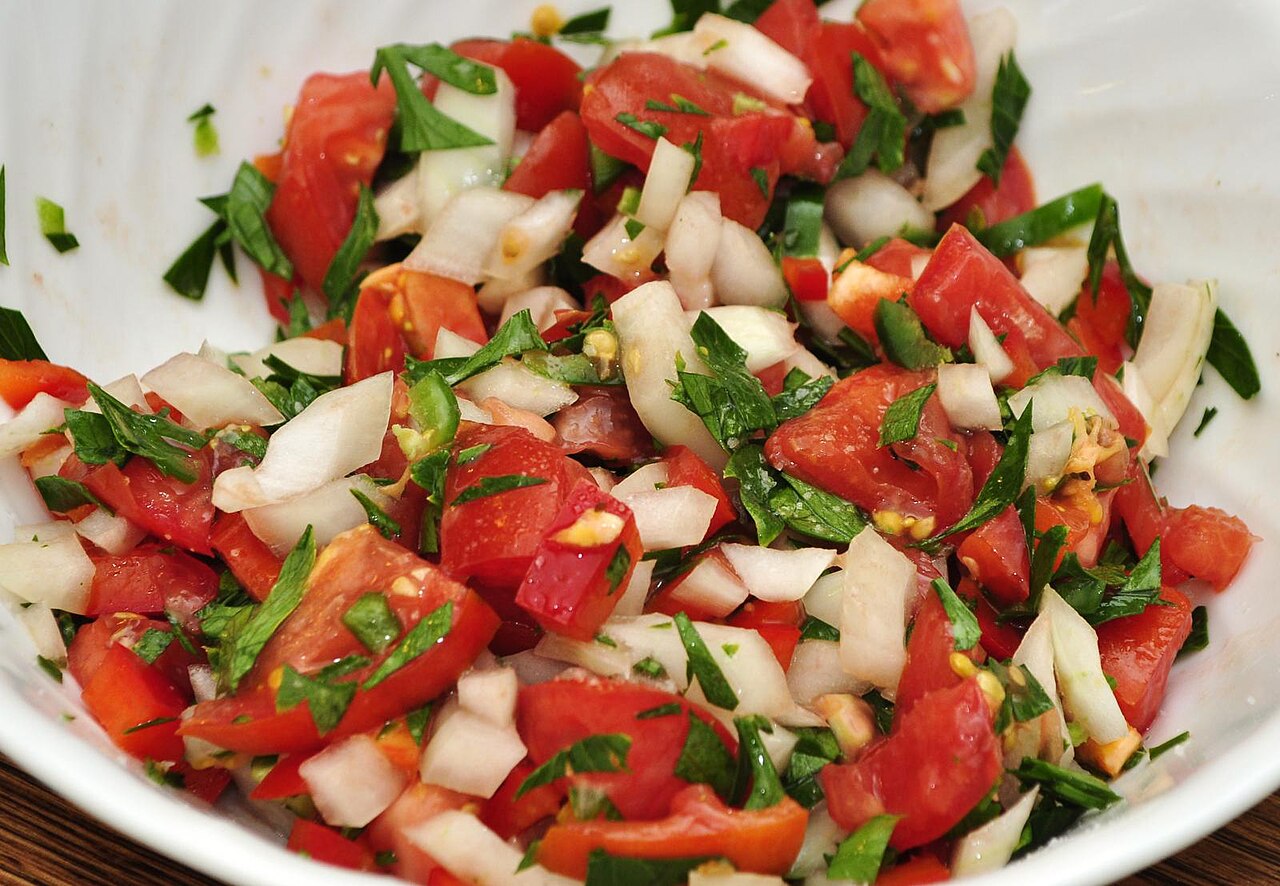
salsa cruda, it distinguishes itself immediately by its uncooked nature. Imagine a lively medley of finely diced ripe tomatoes, crisp white onion, aromatic cilantro, a fiery kick from jalapeño, and the bright tang of fresh lime juice, all seasoned perfectly with salt. This simple yet profound combination creates a refreshing condiment that is both zesty and incredibly flavorful.
The name "pico de gallo" literally translates to "rooster's beak" in English, though the exact origin of this intriguing moniker remains a topic of culinary folklore. Some theories suggest it refers to the way one might pinch and eat the salsa, or perhaps the sharp, bright "bite" of its fresh ingredients. Regardless of its etymology, what's undeniable is its widespread popularity and versatility. For those new to crafting homemade salsas,
pico de gallo offers a fantastic starting point. It requires no special equipment beyond a good knife and a cutting board, making it accessible to any home cook eager to explore authentic Mexican flavors. The simplicity of its ingredient list means that the quality of each component shines through, delivering maximum flavor with minimal effort.
Pico de Gallo vs. Salsa: The Crucial Distinctions Defined
While
pico de gallo is indeed a *type* of salsa, the terms are not interchangeable. The primary differences lie in two fundamental aspects: preparation method and texture. Grasping these distinctions is crucial for truly understanding and appreciating the unique profile of this fresh condiment.
1.
Fresh vs. Cooked Ingredients: This is arguably the most significant differentiator.
Pico de gallo is exclusively made with fresh, uncooked ingredients. Every component – from the tomatoes to the cilantro – retains its raw vibrancy, contributing crisp textures and bright, unadulterated flavors. In contrast, many other salsas, especially traditional red or green salsas, often involve cooking, roasting, or simmering their ingredients. This process softens vegetables, deepens flavors through caramelization, and can create a more mellow, often smoky, profile. The raw nature of
pico de gallo offers a refreshing contrast, providing a burst of pure, unadulterated taste.
2.
Chopped vs. Blended/Mashed Texture: The method of preparation profoundly impacts the final texture. For
pico de gallo, all ingredients are meticulously *finely diced by hand*. This results in a chunky, substantial salsa where each individual ingredient is visually distinct and offers a delightful textural pop with every bite. You can see and taste the separate components – the juicy tomato, the crisp onion, the leafy cilantro. Other salsas, while also often made with fresh ingredients, are typically pulsed in a food processor, blended, or mashed, leading to a smoother, more uniform consistency. Think of a restaurant-style red salsa with its fluid, homogeneous texture compared to the vibrant, chunky mosaic of an authentic
pico de gallo. The reliance on hand-chopping is not just traditional; it's fundamental to achieving the signature rustic appeal and sensory experience of
pico de gallo.
Even if a homemade salsa recipe uses many of the same core ingredients as
pico de gallo, if those ingredients are blended to a smoother consistency, it's no longer considered true
pico de gallo. The intentionality of the chop is what defines it, delivering a unique mouthfeel that stands apart.
Crafting the Perfect Pico de Gallo: Essential Tips & Techniques
Making a truly exceptional
pico de gallo is simpler than you might think, but a few key techniques can elevate it from good to absolutely outstanding. Here’s how to unlock its full potential:
1.
Quality Ingredients are King: Because
pico de gallo is so simple, the quality of your ingredients is paramount. This fresh salsa truly shines when made with peak-season produce.
*
Tomatoes: Opt for ripe, firm tomatoes. Roma or plum tomatoes are excellent choices due to their lower water content and meaty flesh. Tomatoes on the vine also work beautifully. If using juicier varieties, or for an even easier prep, quartered grape or cherry tomatoes are fantastic. Whatever you choose, a vital tip for preventing watery
pico de gallo is to gently remove the seeds and excess liquid from the tomatoes as you dice them. This ensures your salsa maintains its chunky integrity.
*
Onion: White onion is traditional, offering a sharp, clean bite that mellows slightly with the lime.
*
Cilantro: Fresh, vibrant cilantro is non-negotiable. Don't skimp!
*
Jalapeño: Adjust to your spice preference. Remove seeds and membranes for a milder kick, or leave some in for more heat. For an extra fiery salsa, consider swapping in a serrano pepper.
*
Lime: Always use fresh lime juice – bottled simply won't do for this fresh delicacy.
2.
Precision Chopping: The hallmark of
pico de gallo is its uniform, finely diced texture. Take your time to chop all ingredients to a similar small size. This ensures a balanced flavor in every scoop and a pleasing visual appeal. A sharp knife is your best friend here.
3.
The Magic of Chilling: While you can enjoy
pico de gallo immediately, its flavors truly marry and deepen after a period of chilling. I highly recommend preparing it at least an hour, or even up to a day, before serving. This allows the lime juice and salt to tenderize the ingredients slightly and for all the vibrant flavors to meld into a harmonious symphony. Just be aware that the mixture will become juicier as it sits; when serving, use a slotted spoon or fork to leave behind any excess liquid, especially if you're adding it to tacos or other dishes. This step is a secret weapon for achieving truly authentic flavor and is key to the
Secret to Perfect Pico de Gallo: Freshness, Chill & Tips.
4.
Flavor Customization: While the classic recipe is perfect,
pico de gallo is an excellent canvas for creativity.
*
Spice Level: Easily adjust the amount of jalapeño to suit your palate.
*
Fruity Twists: For a delightful seasonal variation, swap out some or all of the tomatoes for diced mango, pineapple, watermelon, peaches, or even strawberries. These fruit-based versions make for incredible summer salsas.
*
Extra Crunch: Add finely diced red bell pepper, corn kernels, or cucumber for additional texture and color.
For a comprehensive guide and a foundational recipe to get you started on your fresh salsa journey, check out our
Easy Homemade Pico de Gallo: Fresh Salsa Tips & Recipe.
Beyond the Bowl: Serving Suggestions and Culinary Versatility
The beauty of
pico de gallo lies not only in its exquisite flavor but also in its incredible versatility. It's far more than just a dip for tortilla chips, though it excels in that role! Here are just a few ways to incorporate this fresh condiment into your culinary repertoire:
*
Classic Dip: Serve alongside warm, crispy tortilla chips for an unbeatable snack or appetizer.
*
Taco Topper: Essential for virtually any taco, burritos, quesadillas, or nachos. Its fresh, zesty profile cuts through rich fillings beautifully.
*
Grilled Meats & Fish: A spoonful of
pico de gallo instantly brightens up grilled chicken, steak, pork, or any flaky white fish. It adds a fresh, acidic counterpoint that elevates the entire dish.
*
Egg Dishes: Spooned over scrambled eggs, huevos rancheros, or even a simple omelet, it transforms breakfast or brunch into a vibrant meal.
*
Avocado Toast & Sandwiches: Add a fresh layer of flavor and texture to avocado toast or as a lively addition to sandwiches and wraps.
*
Salads: Stir into a green salad or serve alongside a protein bowl for a burst of freshness.
Its ability to instantly add brightness, texture, and authentic Mexican flavor makes
pico de gallo an indispensable staple in any kitchen.
Embrace the Freshness of Pico de Gallo
By now, the distinction between
pico de gallo and other salsas should be clear: it's all about fresh, finely chopped, uncooked ingredients. This seemingly simple difference results in a world of vibrant flavors and satisfying textures that elevate countless dishes. Embracing the art of making homemade
pico de gallo means embracing the freshest seasonal produce and unlocking an authentic taste of Mexico right in your own kitchen. So grab your knife, dice those vibrant veggies, and get ready to experience the pure, unadulterated joy of this iconic fresh salsa.